
Picture this: You’ve just completed a $2 million construction project. The ribbon’s been cut, the final payment received, and everyone’s gone home. Six months later, the owner calls—there’s a leak in the roof you installed. Without a maintenance bond, you’re scrambling to find the funds and crew to fix it. With one, you’re protected and your reputation stays intact.
Maintenance bonds represent one of the most misunderstood yet critical safeguards in the construction industry. While they account for less than 5% of annual surety bonding, their impact on contractor reputation and project owner security is immeasurable. Whether you’re a contractor bidding on your first public project or a project owner protecting a multi-million dollar investment, understanding maintenance bonds isn’t optional—it’s essential.
What Is a Maintenance Bond?
A maintenance bond, also called a warranty bond or guarantee bond, is a surety bond that guarantees a contractor will repair any defects in workmanship, materials, or design that emerge after a construction project is completed. Think of it as an insurance policy for quality—except instead of the contractor paying premiums to an insurance company, they purchase a bond from a surety company that backs their promise to fix problems.
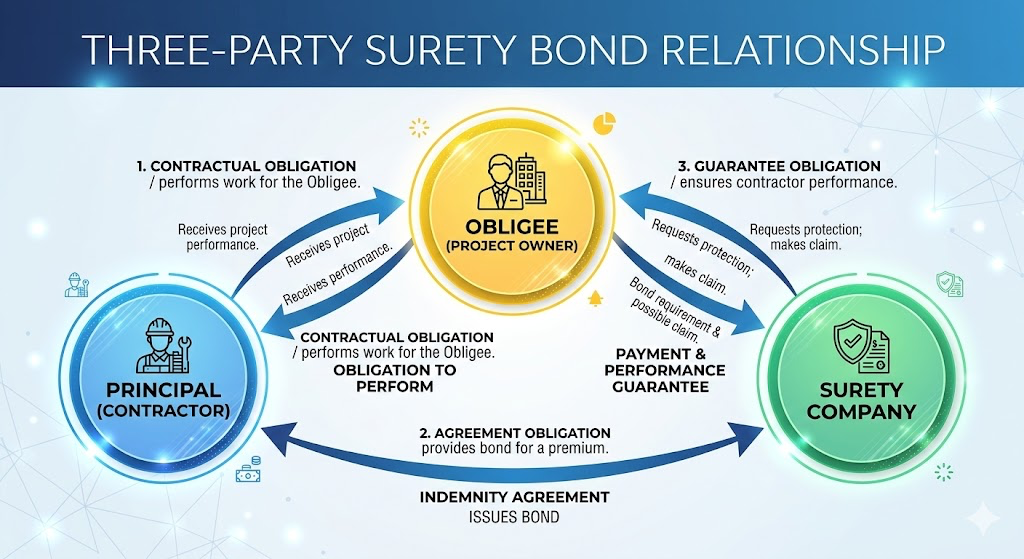
The bond creates a three-party agreement between the contractor (principal), the project owner (obligee), and the surety company. If defects appear during the warranty period and the contractor fails to address them, the surety steps in to ensure repairs are made or provides financial compensation to the owner.
When Maintenance Bonds Take Effect
Unlike performance bonds that cover the construction phase, maintenance bonds activate after substantial completion and formal acceptance of the work. This typically occurs when the project passes final inspections and the owner signs off on the punch list. The effective date marks the beginning of the warranty period, which commonly ranges from one to five years depending on project complexity and contract requirements.
The transition from construction to maintenance coverage represents a critical shift in responsibility. During construction, you’re proving you can complete the work. During the maintenance period, you’re proving the work will last.
What Maintenance Bonds Actually Cover
Maintenance bonds specifically protect against three categories of problems:
Defects in Workmanship Poor construction practices that result in structural or functional failures. This includes improper installation techniques, failure to follow specifications, or cutting corners during construction that only become apparent after completion.
Material Defects Issues arising from the use of substandard, inappropriate, or defective materials. However, standard manufacturer warranties typically remain the manufacturer’s responsibility—the bond covers your choice and proper installation of materials.
Design-Build Defects For design-build contracts, the bond may cover problems stemming from design errors or omissions. This only applies when the contractor holds responsibility for both design and construction.
What’s NOT Covered
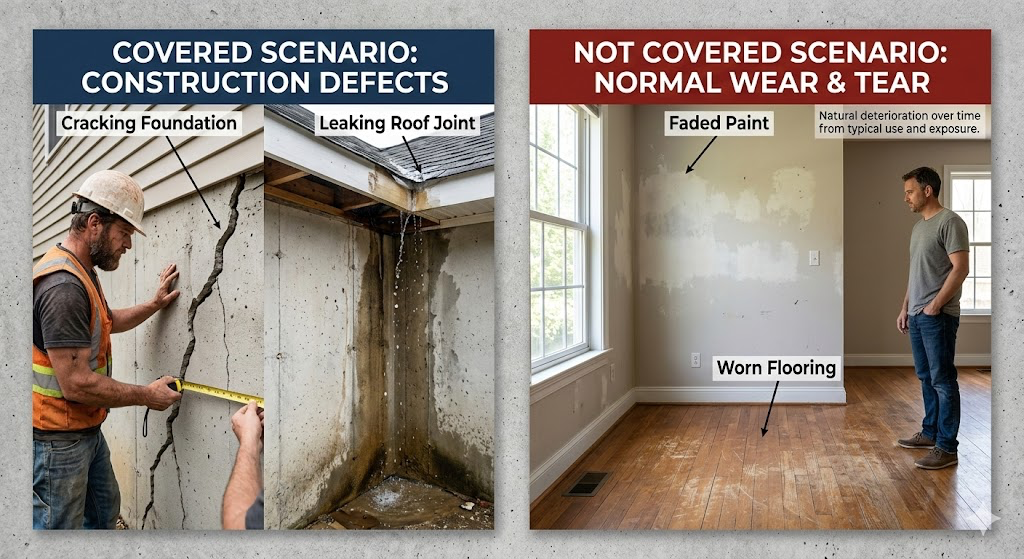
Maintenance bonds have clear boundaries. They don’t cover normal wear and tear, owner misuse or abuse of the facility, damage from acts of God or extreme weather events beyond design specifications, or defects clearly caused by third parties or subsequent modifications.
The True Cost of Maintenance Bonds
Here’s where maintenance bonds become financially attractive: the first year of coverage is typically included at no additional cost when issued alongside your performance and payment bonds. This represents significant value, as you’re essentially getting 12 months of post-completion protection built into your original bond premium.
For extended warranty periods beyond the first year, expect to pay approximately 0.1% to 0.3% of the original contract amount per year. For a $1 million project, that translates to $1,000 to $3,000 annually for continued coverage.
Several factors influence your actual premium:
| Cost Factor | Impact on Premium |
|---|---|
| Project Size | Larger contracts = higher bond amounts |
| Project Complexity | Specialized systems increase risk |
| Contractor Financial Health | Better credit = lower rates |
| Claims History | Previous claims raise premiums |
| Warranty Duration | Longer periods = higher costs |
| Construction Type | Some work carries more risk |
Your credit score plays a particularly significant role. Contractors with excellent credit (720+) might pay just 0.5% to 1% of the bond amount for the initial bond package, while those with challenged credit could pay 3% to 5% or more.
Maintenance Bonds vs. Performance Bonds: Understanding the Difference
Many contractors confuse these two bonds, but they serve distinct purposes at different project phases:
Performance Bonds guarantee you’ll complete the project according to contract terms. They protect owners during construction. If you abandon the project or fail to meet specifications, the performance bond ensures the work gets finished.
Maintenance Bonds guarantee you’ll fix problems that appear after completion. They protect owners during the warranty period. If your completed work develops defects, the maintenance bond ensures repairs happen.
Think of performance bonds as protecting the journey and maintenance bonds as protecting the destination. Most sophisticated contractors secure both simultaneously through a combined Performance and Payment Bond with maintenance coverage included.
Who Needs Maintenance Bonds?
Maintenance bonds are predominantly required for government and public works projects. State, county, and municipal governments routinely mandate these bonds to protect taxpayer investments in roads, bridges, schools, water treatment facilities, and public buildings. The requirement ensures that contractors remain accountable even after cashing their final payment check.
Federal construction projects governed by the Miller Act also typically require maintenance coverage, either as a separate bond or included within the performance bond language.
In the private sector, maintenance bonds are increasingly common for large-scale commercial developments, especially when institutional investors or major corporations serve as project owners. Developers of retail centers, office complexes, industrial facilities, and multi-family housing projects often require maintenance bonds to protect their substantial investments.
Contractors working on specialized projects with advanced systems—HVAC, electrical, plumbing, green building technologies—face higher likelihood of maintenance bond requirements. These complex installations carry greater risk of latent defects that don’t appear until systems operate under real-world conditions.
The Claims Process: What Happens When Defects Appear
Understanding the claims process helps both contractors and owners navigate post-completion issues efficiently:
Step 1: Defect Discovery and Notification The owner identifies a defect covered by the warranty period and notifies both the contractor and surety company in writing. Detailed documentation—photos, third-party inspections, expert reports—strengthens legitimate claims.
Step 2: Surety Investigation The surety company launches an investigation to verify the claim’s validity. They’ll examine whether the defect falls within the bond’s coverage, occurred during the warranty period, and results from the contractor’s work rather than external factors.
Step 3: Contractor Response The contractor receives an opportunity to inspect the defect and propose a repair solution. Responsible contractors act quickly, as delays can escalate costs and damage professional relationships.
Step 4: Resolution If the contractor completes satisfactory repairs, the claim closes. If the contractor fails to act, refuses to repair, or has gone out of business, the surety arranges for qualified contractors to complete necessary work.
Step 5: Reimbursement The contractor must reimburse the surety for all expenses incurred, including repair costs, investigation fees, and legal expenses. This is where maintenance bonds differ from insurance—you’re ultimately responsible for the costs.
Strategic Considerations for Complex Projects
Modern construction increasingly involves sophisticated systems and extended warranty requirements that complicate maintenance bond underwriting. Here’s how savvy contractors and owners navigate these challenges:
For Projects with Long Warranty Periods
When owners demand 3-5 year warranties, highlight your track record on similar projects with low callback rates. Provide documentation showing your quality control processes, subcontractor vetting procedures, and maintenance history. Consider negotiating stepped reductions in bond amounts over time—perhaps 100% coverage for year one, 75% for year two, 50% for year three—to reflect decreasing risk as the project proves its durability.
For Projects with New Technologies
Advanced building systems, green technologies, and innovative construction methods increase surety concern about unknown failure modes. Mitigate this by demonstrating manufacturer partnerships, extended manufacturer warranties that transfer to the owner, specialized training certifications, and successful installations of similar systems elsewhere.
For Design-Build Projects
When you’re responsible for both design and construction, maintenance bonds carry higher risk. Protect yourself by obtaining professional liability insurance for design work, engaging licensed design professionals with their own coverage, conducting peer reviews of critical design elements, and negotiating clear language about what constitutes design defects versus design changes.

Maintenance Bond Requirements and Typical Terms
While specific requirements vary by project and jurisdiction, certain patterns emerge across most maintenance bonds:
Standard Warranty Period One year remains the most common duration, automatically included with performance bonds. Public projects frequently require two years. Complex or high-value projects may demand three to five years.
Bond Amount Typically equals 10% to 50% of the original contract amount, depending on project type and warranty duration. A $10 million project might carry a $1 million to $5 million maintenance bond.
Contractor Obligations During Maintenance Period
Contractors must respond to defect notifications within specified timeframes (often 48-72 hours for emergencies, 10-15 days for non-emergencies), complete repairs within reasonable periods based on defect severity, maintain proper insurance coverage throughout the warranty period, and keep accessible records of all warranty work performed.
Documentation Requirements
Project owners should maintain comprehensive as-built drawings, material warranties and cut sheets, maintenance manuals and operating instructions, inspection reports and testing records, and communication logs regarding defects and repairs.
How to Get Your Maintenance Bond
Securing a maintenance bond follows a straightforward four-step process that typically takes just a few days for qualified contractors.
Apply: Submit your bond application along with financial statements, project details, and contractor qualifications. Most bond providers like Swiftbonds offer online applications that take just minutes to complete.
Quote: The surety underwrites your application, evaluating your financial strength, experience, and project specifics. You’ll receive a quote showing the bond premium and any additional terms.
Pay: Once you accept the quote, you pay the premium. Payment methods typically include wire transfer, ACH, or credit card for smaller bonds.
File: The surety issues your bond, which you then file with the project owner or obligee as specified in your contract. Keep copies for your records and note the warranty period end date.
Swiftbonds LLC
2025 Surety Bond Agency of the Year
4901 W. 136th Street
Leawood KS 66224
(913) 214-8344
https://swiftbonds.com/
Frequently Asked Questions
Can I get a maintenance bond if I have bad credit? Yes, though you’ll pay higher premiums. Expect rates of 3% to 10% of the bond amount versus 0.5% to 2% for contractors with excellent credit. Some sureties specialize in high-risk bonds and can work with credit scores as low as 550.
What happens if I go out of business during the warranty period? The surety company remains liable for covered defects. They’ll hire another qualified contractor to complete necessary repairs, which is why owners value these bonds—they get repairs regardless of your business status.
Do subcontractors need their own maintenance bonds? Usually no. As the general contractor, your maintenance bond covers work performed by your subcontractors. However, you remain responsible for their work quality and should have indemnification agreements with subs.
Can maintenance bond requirements be negotiated? On private projects, yes. You might negotiate shorter warranty periods, reduced bond amounts after the first year, exclusions for certain work performed by specialized subs with their own warranties, or tiered coverage amounts for different project components.
How do maintenance bonds differ from product warranties? Product warranties cover manufacturer defects in materials or equipment. Maintenance bonds cover your installation workmanship and material selection decisions. Both can exist simultaneously—the manufacturer warrants their product while you warrant your installation.
What if the owner claims a defect that isn’t my fault? The surety investigates all claims before paying. They’ll examine whether the issue results from your work, owner misuse, third-party damage, or normal wear and tear. You have the right to dispute unfounded claims with supporting documentation.
Are maintenance bonds required by law? For public projects, often yes. The Miller Act requires them on federal projects over $150,000. Many states have “Little Miller Acts” with similar requirements. Private projects require maintenance bonds only if specified in the contract.
Can I cancel a maintenance bond early? Not unilaterally. The bond remains in effect for its full term unless the owner releases you in writing. Some bonds include provisions for early termination if the project remains defect-free for a specified period.
Conclusion
Maintenance bonds represent more than a contractual requirement—they’re a statement about your commitment to quality that extends beyond project completion. In an industry where reputation determines future opportunities, the willingness to stand behind your work for years after final payment speaks volumes to project owners, partners, and the market.
For contractors, these bonds provide structured risk management that protects your business from catastrophic warranty claims while demonstrating professionalism that wins future bids. For project owners, they offer peace of mind that their investment remains protected long after construction crews depart.
The most successful contractors view maintenance bonds not as a burden but as a competitive advantage. By understanding costs, navigating requirements strategically, and maintaining relationships with knowledgeable surety partners, you position yourself to confidently bid larger projects while protecting your hard-earned reputation.

Five Fascinating Facts About Maintenance Bonds
Maintenance Bonds Originated in Roman Times: Ancient Roman construction contracts included warranty provisions called “stipulatio,” where builders pledged personal assets to guarantee their work. If structures collapsed, builders could face financial ruin or even criminal penalties. Modern maintenance bonds evolved from these ancient accountability systems.
The Longest Maintenance Bond Period on Record: While 1-2 years is standard, some major infrastructure projects carry warranty periods up to 30 years. The Confederation Bridge in Canada, connecting Prince Edward Island to the mainland, included unprecedented 35-year warranty provisions covering structural integrity—though implemented through complex insurance structures rather than traditional surety bonds.
Digital Technology Is Revolutionizing Warranty Tracking: Blockchain-based systems now allow real-time tracking of maintenance bond status, automated defect reporting with photo evidence, and smart contracts that trigger inspections. Some contractors use IoT sensors embedded in structures to monitor performance and detect potential defects before they become visible, proactively addressing issues during warranty periods.
Maintenance Bonds Can Increase Property Values: Studies show commercial properties with active maintenance bonds sell for 3-7% higher premiums than comparable properties without warranty coverage. Buyers gain confidence knowing potential construction defects carry financial guarantees, reducing perceived risk.
Green Building Projects Face Unique Maintenance Challenges: LEED-certified and sustainable buildings often include innovative systems with limited performance histories. Some sureties now offer specialized “green bonds” with provisions for energy performance guarantees, monitoring requirements, and extended coverage for experimental sustainable technologies—creating entirely new product categories in surety markets.
Leave a Reply